Bless Embroidery Design Review
First Impressions of Bless
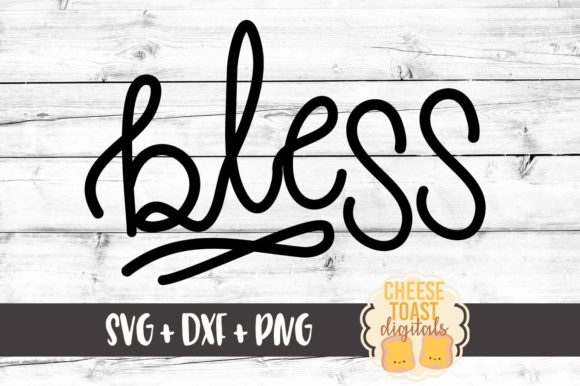
Opening the zip file for Bless, I was immediately drawn to its clean, hand-lettered aesthetic. The design carries a soft and thoughtful mood—perfect for personal or boutique-style embroidery projects. Its shape is balanced, with gentle curves that suggest a sense of care and intention. This makes it feel like a natural fit for items like baby clothes, custom sweatshirts, or even holiday gifts.
The layout is simple but not too minimal, giving it enough visual interest without overwhelming the fabric. It’s clear this design was crafted with a focus on readability and elegance. The level of detail is just right—enough to stand out, but not so much that it feels cluttered. This kind of subtlety works well for both small and large embroidery projects.
Real-Life Scenario: Custom Embroidered Tote Bag
Let’s imagine using Bless for a custom embroidered tote bag. As someone who regularly creates handmade products for Etsy, I know how important the visual impact of a design can be. When I envision Bless stitched onto a linen tote, it adds a quiet charm that would appeal to customers looking for something unique yet refined.
For a tote bag, the size and placement of the design are key. I’d likely center Bless near the top of the bag, allowing it to be seen from a distance while still maintaining a classic look. The hand-lettered style complements natural fabrics and gives the finished product a personalized touch that feels authentic.
I also consider how customers might react. A tote with Bless stitched on it could easily become a favorite among those who appreciate subtle, meaningful designs. It has the potential to elevate a basic item into a statement piece, especially when paired with quality stitching and fabric choices.
Performance in Real Embroidery Projects
Bless performs well across a range of embroidery applications. Whether it's used as an applique design on a sweatshirt or as a decorative element on a pillow cover, it maintains its clarity and charm. The design doesn’t require overly complex stitch techniques, making it accessible for both beginners and experienced embroiderers.
On items like caps or patches, where space is limited, Bless still holds up. However, I would advise testing it on a scrap fabric first to ensure the hoop size and stitch density work well together. For commercial embroidery projects, such as creating merchandise for a small shop or boutique, Bless offers a versatile option that can be adapted to various branding needs.
When it comes to fabric types, Bless looks best on medium to heavy-weight cotton or linen. On stretchy or textured fabrics, extra stabilizer may be needed to maintain the integrity of the design. Dark fabric backgrounds will benefit from high-contrast thread colors, while light fabrics allow the design to shine more naturally.
Where to Use Bless with Caution
While Bless is a great all-around design, there are some situations where careful consideration is needed. Small hoop sizes may challenge the detail of the lettering, especially if the design is scaled down significantly. Similarly, using it on very thin or stretchy fabric without proper backing could result in distortion.
If you're planning to use Bless on layered garments, such as jackets or hoodies, it’s important to test the placement first. Curved surfaces like caps or mugs may also require adjustments to the design’s orientation and scale. Tiny lettering or intricate details should be reviewed closely to ensure they remain legible after stitching.
Products that need frequent washing, like aprons or kitchen towels, may require reinforced stitching or additional stabilizers to prevent fraying over time. Always check the recommended hoop size and stitch density before starting your project to avoid any surprises later on.
Design Notes for Embroidery Professionals
As a designer, I always recommend testing Bless on scrap fabric before committing to a final product. This helps identify any issues with stitch density or color contrast early on. Checking the thread colors against different fabric backgrounds is also crucial—especially if you plan to offer the design as part of a digital product or printable mockup.
Reviewing the stitch density and ensuring that the design works well in black-and-white mockups can help determine how it will look on various fabric types. If you’re selling finished items or digital embroidery files, confirming the licensing terms is essential to avoid any legal complications.
For Bless, I’d suggest using it in both personal and commercial projects, as long as the appropriate permissions are in place. It’s a design that can add value to handmade products, increase customer trust, and enhance brand consistency—whether you're running a craft business, selling on Etsy, or creating boutique merchandise.
In summary, Bless is a well-crafted machine embroidery design that brings a sense of warmth and thoughtfulness to any project. With the right preparation and attention to detail, it can be a valuable asset for anyone involved in embroidery, from hobbyists to professional designers.